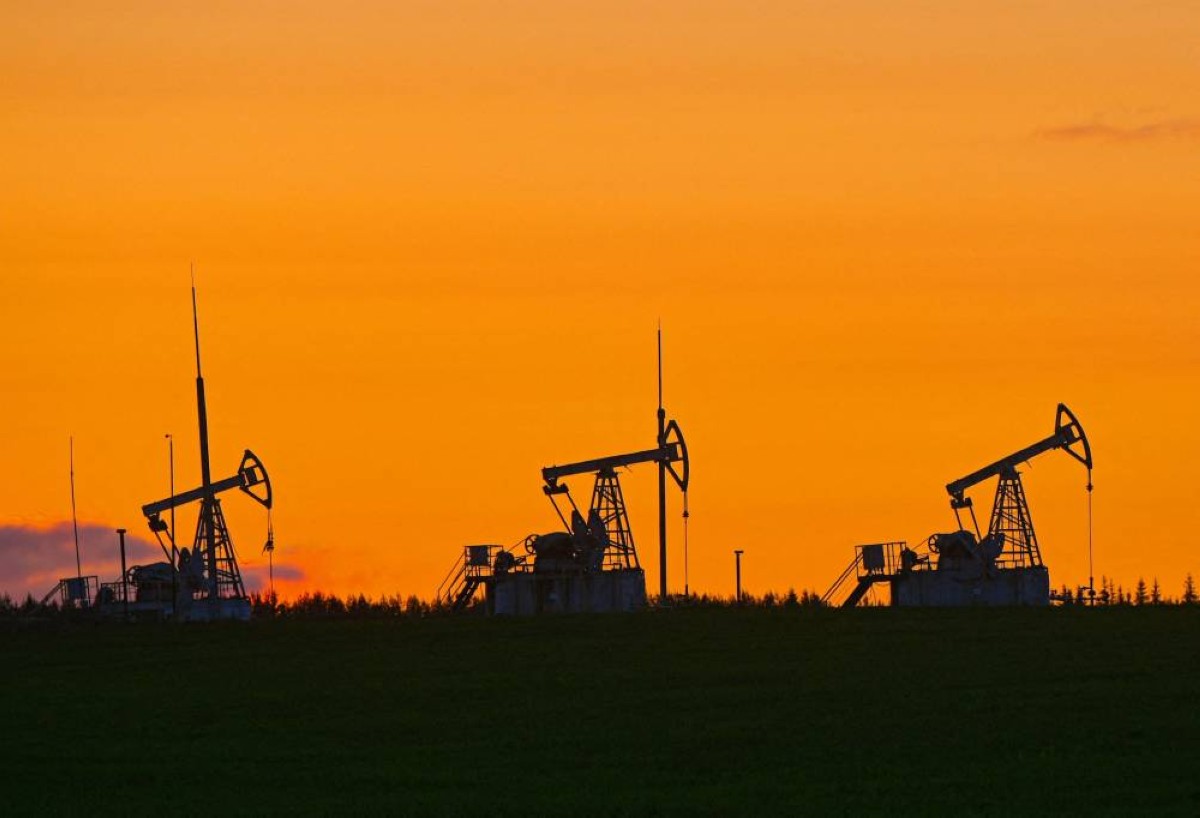
في عالم النفط الذي لا يهدأ، نواجه اليوم مشهداً مزدوجاً: انخفاض أسعار البرميل في جلسة واحدة، بينما تتجه الأسواق لتسجيل مكاسب شهرية غير مسبوقة منذ أكثر من عامين. هذا التباين الذي يثير التساؤلات، يستحق تحليلاً عميقاً، خاصة في ظل التجمعات العسكرية الأمريكية في الشرق الأوسط. كما reported in النفط يهبط لكنه، فإن هذه التقلبات ليست مجرد أرقام، بل مؤشرات لصراعات جيوسياسية قد تغير خريطة الطاقة العالمية.
الواقع أن هذه التقلبات ليست جديدة على السوق، لكن مزيجها مع التهديدات العسكرية والظروف الجوية القاسية يجعلها تستحق اهتماماً خاصاً. هل نحن أمام تكرار لسيناريو 2008 عندما ارتفعت الأسعار إلى مستويات قياسية بسبب الأزمة المالية؟ أو ربما أمام تأثيرات جديدة لم نواجهها من قبل؟
في هذا التقرير الاستقصائي، سنكشف الكواليس وراء هذه التقلبات، ونحلل تأثيرها على الاقتصاد السعودي والإماراتي، ونقدم سيناريوهات مستقبلية قد تؤثر على قرارات المستثمرين في المنطقة.
كواليس الحدث: التفاصيل التي لم تُكشف عن “النفط يهبط لكنه”
في جلسة الجمعة، witnessed a decline in oil prices by more than 1% from their highest levels in several months. However, the bigger picture shows a trend towards the largest monthly gains since January 2022. Brent crude, for example, has risen by 14.7% this month, while West Texas Intermediate (WTI) is heading for a 12% monthly gain, the largest since July 2023.
Behind these numbers are several factors: the potential U.S. attack on Iran, which could disrupt supplies, the military buildup in the Middle East, and the recent threats exchanged between Washington and Tehran. Additionally, production disruptions in Kazakhstan, Russia, and Venezuela have removed about 1.5 million barrels per day from global supplies.
The cold weather in the United States is also expected to reduce oil production by 340,000 barrels per day this month, adding another layer of complexity to the market dynamics.
التحليل الاستراتيجي: النفط يهبط لكنه يتجه لأكبر مكاسب شهرية في سنوات
The current oil price fluctuations are driven by a combination of geopolitical tensions and supply disruptions. Here are the key factors:
- Geopolitical Tensions: The U.S. military buildup in the Middle East and threats of an attack on Iran have increased market volatility. Analysts expect limited but targeted actions that could still impact oil supplies.
- Supply Disruptions: Production issues in Kazakhstan, Russia, and Venezuela have removed significant amounts of oil from the market. Kazakhstan’s Tengiz field, for example, is expected to return to full capacity within a week after recent fires.
- Weather Conditions: The cold weather in the U.S. is reducing oil production, adding to the supply constraints.
These factors are contributing to the current price volatility, but the market is also showing resilience, with significant monthly gains despite daily fluctuations.
عوامل التأثير على السوق السعودي والخليجي
The Saudi and Gulf economies are heavily reliant on oil exports, making them particularly sensitive to global oil price fluctuations. The current trends could have several implications:
For Saudi Arabia, which is the world’s largest oil exporter, the price fluctuations could impact government revenues and economic stability. The Saudi economy has been diversifying, but oil remains a critical component. Higher oil prices could boost government revenues, while lower prices could strain public finances.
In the UAE, which has a more diversified economy, the impact might be less severe. However, the UAE still relies significantly on oil exports, particularly Dubai and Abu Dhabi. The current trends could influence investment decisions and economic planning in the region.
Both countries are likely to monitor the situation closely and may adjust their production levels or economic policies in response to market conditions.
الرؤية الاستشرافية والقول الفصل
The oil market is currently in a state of flux, with several factors contributing to price volatility. The potential for a U.S. attack on Iran, supply disruptions in key producing countries, and weather-related production cuts are all playing a role. However, the market is also showing resilience, with significant monthly gains despite daily fluctuations.
Looking ahead, the situation is likely to remain volatile. If geopolitical tensions escalate, we could see further price increases. However, if the situation stabilizes, prices may return to more normal levels. The Saudi and Gulf economies will need to navigate these uncertainties carefully, balancing the need for economic stability with the potential for higher oil revenues.
In the final analysis, the current trends highlight the complex interplay of geopolitical, economic, and environmental factors in the global oil market. The Saudi and Gulf economies, in particular, will need to remain vigilant and adaptable in the face of these challenges. The oil market is not just about prices; it’s about power, politics, and the future of global energy.
للمزيد من أخبار النفط يهبط لكنه الحصرية، تابع قسم الأخبار.